
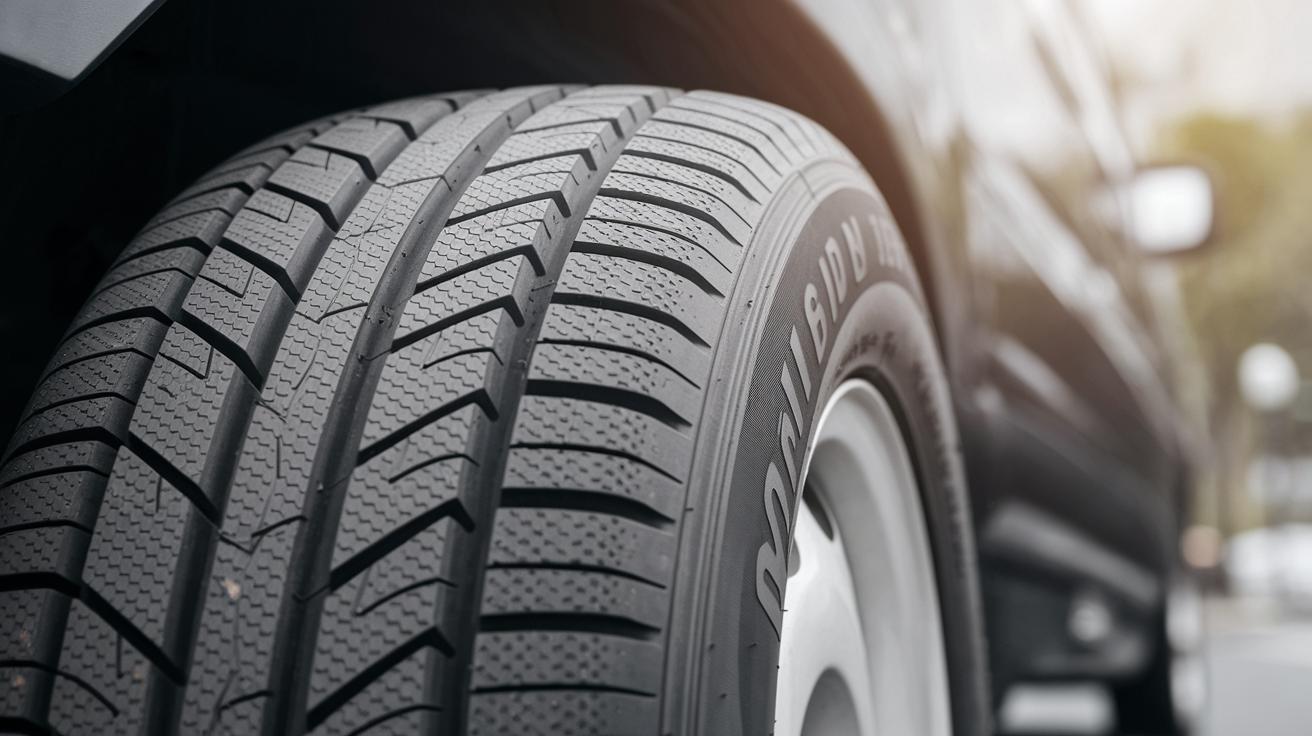
Understanding Tire Wear Bars and Tread Depth
Proper tire maintenance is crucial not only for the longevity of your tires but also for your safety on the road. One of the most effective ways to determine the health of your tires is through the use of wear bars, an often overlooked yet essential feature of tire design. This article will delve into what tire wear bars are, how to check the tread of your tires, and offer practical tips to keep you rolling safely. By understanding these vital components and their role in tire maintenance, you can ensure a smoother, safer driving experience. Let’s explore the intricacies of tire wear and see how you can give your car that new tire feeling.
What Are Tire Wear Bars?
Tire wear bars, also known as tread wear indicators, are small raised sections that run across the tread grooves of your tires. Typically, they are set at 2/32 of an inch, which is the minimum tread depth allowed by law in many places. Once your tire’s tread has worn down to this level, it’s time to replace the tire. Tire wear bars are built into the tire itself and are a clear visual indicator of when a tire has reached an unsafe level of wear.
These wear bars act as a crucial guide, providing drivers with a simple, straightforward way to monitor tire health. Most modern tires include these indicators to promote road safety and ensure drivers replace their tires before the tread becomes dangerously thin. Recognizing and understanding wear bars can save you from potential hazards such as hydroplaning on wet roads or decreased traction in snow and ice.
Ignoring tire wear bars can lead to dangerous driving conditions, as tires with insufficient tread depth have reduced grip on the road. This can increase stopping distances and the likelihood of tire blowouts. Thus, respecting the purpose of these wear bars and acting upon their warning signs is pivotal for safe driving.
How to Check the Tread on Your Tires
Assessing the tread on your tires is a fundamental aspect of vehicle maintenance that should not be neglected. Regularly checking your tread can help you catch tire wear issues early, ensuring that your time on the road is both safe and smooth. Two common methods for checking tire tread are the penny test and using a tread depth gauge. Each offers its own levels of precision and ease of use.
Penny Test
The penny test is a quick, informal method that provides a visual indication of your tire’s tread depth. To perform the test, insert a penny into several tread grooves across the tire, with Lincoln’s head facing down. If you can see the top of Lincoln’s head, your tread is under 2/32 of an inch, meaning it’s time to replace the tire. This method is handy for a quick visual check but may not give the most precise measurement compared to more technical equipment.
However, the penny test offers convenience, as it doesn’t require any specialized tools and can be done almost anywhere. It’s a fantastic initial check, especially for drivers who regularly inspect their vehicle’s maintenance status. While it doesn’t provide exact data, it’s a tried-and-true method that has helped countless drivers maintain safer tires.
Measure with a Tread Depth Gauge
For a more accurate assessment of your tire’s health, a tread depth gauge is a valuable tool. These small, affordable devices provide precise measurements and are incredibly easy to use. Simply place the gauge into the tread grooves and press it down until the base is level with the tread surface. The readout will give you an exact measurement of the remaining tread depth.
Tread depth gauges can be found at any auto parts store and often include both standard and metric measurements. They offer a greater degree of accuracy compared to the penny test, allowing you to make more informed decisions about when to replace your tires. Investing in a tread depth gauge thus not only aids in inspecting tire condition but also enhances vehicle safety and performance.
Understanding when to replace tires is vital in maintaining vehicle health and ensuring safety on the road. Keep in mind that factors such as driving conditions, tire type, and maintenance practices can affect tire wear, so regular checks are essential. By routinely monitoring tread depth with these methods, you can extend the life of your tires and enjoy a safer driving experience.
Get That New Tire Feeling
Replacing tires can often feel like a chore, but maintaining the health of your tires is crucial for ensuring optimal vehicle performance and safety. When tire tread depth approaches the minimum threshold, purchasing new tires will not only enhance your driving experience but also provide peace of mind. New tires improve fuel efficiency, offer better traction in various weather conditions, and ensure smoother, quieter rides.
Consider researching and investing in high-quality tires suited for your vehicle and typical driving conditions. Factors such as seasonal weather patterns, road surfaces, and your usual driving style should influence your choice. Ensuring that you select the right tires can make a significant difference in your car’s performance and can contribute to long-term savings on fuel and maintenance.
Finally, staying consistent with routine maintenance, such as regular tire rotations and proper alignment, will further enhance the longevity and effectiveness of your new tires. Routine checks and balances, combined with high-quality tires, will ensure a confident and comfortable ride, keeping you safe and satisfied on the road.
Lessons Learned
| Aspect | Details |
|---|---|
| Tire Wear Bars | Indicate when tread depth is too low, usually set at 2/32 of an inch |
| Penny Test | Quick visual check; place a penny in the tread groove, if Lincoln’s head is visible, tread is too low |
| Tread Depth Gauge | Provides precise measurements of tread depth; recommend regular use |
| New Tire Benefits | Improved safety, performance, fuel efficiency, and a smoother ride |