
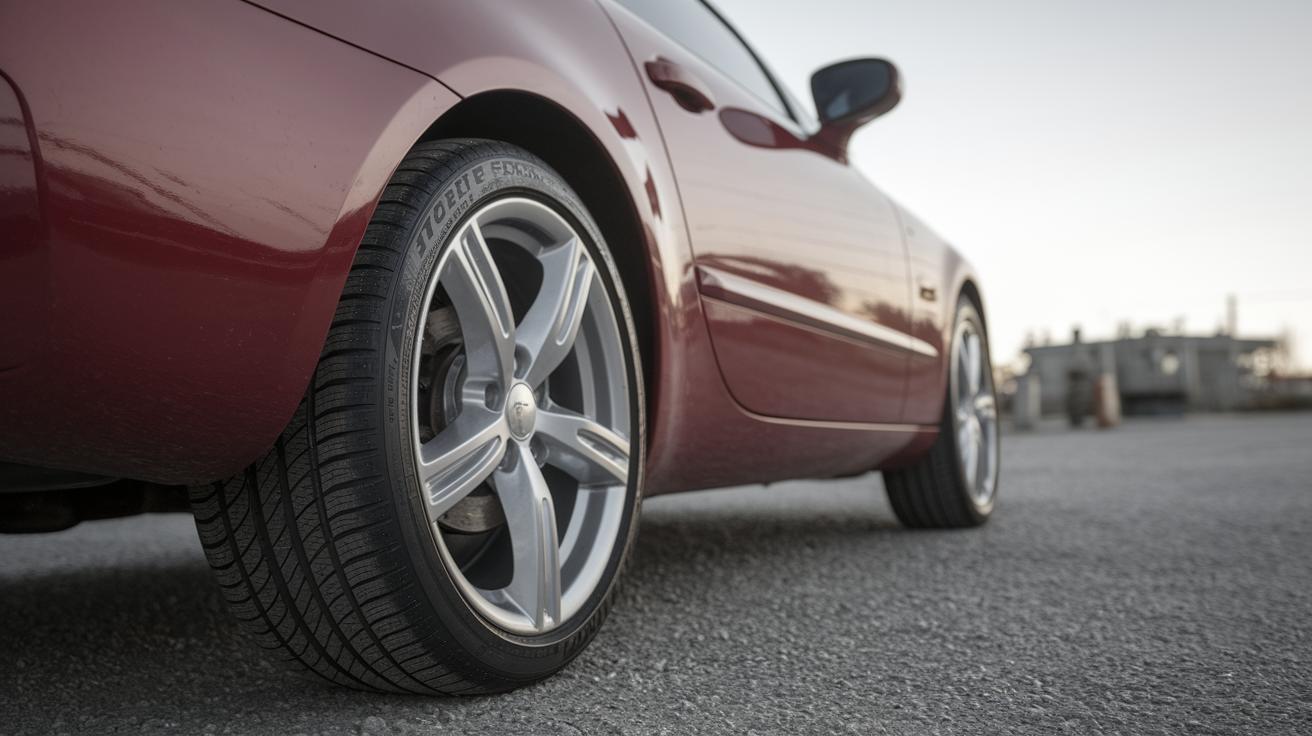
Understanding Run-Flat Tyres
Run-flat tyres represent a significant advancement in automotive safety and convenience. These specialized tyres are designed to resist the effects of deflation when punctured, allowing drivers to continue traveling safely without immediate replacement. In this article, we delve into the workings of run-flat tyres, their key features, benefits, and limitations that drivers should be aware of. Whether you’re considering upgrading to run-flat tyres or simply curious about their advantages, this comprehensive guide will provide valuable insights into their design and functionality.
How run-flat tyres work
Run-flat tyres are engineered to allow vehicles to continue operating even when the tyre has lost air pressure. The core principle behind this technology is the tyre’s ability to support the vehicle’s weight for a limited distance and speed after a puncture occurs. This is primarily achieved through reinforced sidewalls that can temporarily bear the load, preventing the tyre from collapsing.
These tyres often use a self-supporting system where the sidewall’s construction is enhanced with layers of rubber and heat-resistant cord that maintain structural integrity even when deflated. Additionally, some run-flat tyres incorporate a support ring within the tyre’s cavity to further aid in weight distribution. This allows drivers to safely reach a repair facility or a safe location to change the tyre, providing critical convenience and safety during unexpected punctures.
Key features and design
The design of run-flat tyres is a sophisticated blend of materials and engineering strategies aimed at ensuring durability and performance. One of the essential features is the reinforced sidewalls, which are more robust than those of standard tyres. This reinforcement not only helps the tyre maintain its shape during air loss but also minimizes the risk of a blowout, which can be especially dangerous at high speeds.
Another notable feature is the heat-resistant layer incorporated within the tyre structure. This material is crucial because the friction generated by driving on a flat tyre can cause significant heat buildup, which could damage a regular tyre. Run-flat tyres are equipped with materials that can handle this stress, ensuring safety and continuous mobility. Moreover, some designs include an integrated sensor system that alerts drivers when tyre pressure has fallen below safe levels, ensuring that they are aware of the need to seek assistance as soon as possible.
Benefits of run-flat tyres
One of the primary benefits of run-flat tyres is the enhanced safety they provide. By allowing a vehicle to travel a certain distance post-puncture, they offer drivers the crucial ability to maneuver to a safer location, rather than being stranded on the side of a busy highway, which significantly reduces the risk of roadside accidents.
In addition to safety, run-flat tyres eliminate the need for carrying a spare tyre, freeing up valuable space in the vehicle for other cargo. This can lead to weight savings and improved fuel efficiency since the vehicle is not burdened with the additional weight of a spare and its accompaniments. Additionally, many drivers appreciate the convenience of not needing to immediately change a tyre under adverse conditions, such as harsh weather or in the dark, providing peace of mind and a more stress-free driving experience.
Considerations and limitations
Despite their advantages, run-flat tyres have some limitations that drivers should consider. One significant drawback is the cost; run-flat tyres are typically more expensive than standard tyres, making them a more significant investment. This can be an important consideration for budget-conscious consumers who must balance safety benefits with financial constraints.
Another limitation is the ride comfort. Due to their reinforced structure, run-flat tyres can impart a harsher ride quality compared to traditional tyres, as they are less flexible and absorb less road impact. Furthermore, because most run-flat tyres need specialized service equipment and expertise to replace or repair, finding immediate assistance can be challenging, especially in remote areas. It’s vital for drivers to weigh these factors when choosing whether or not to equip their vehicles with run-flat tyres.
Summary
Run-flat tyres offer a supportive solution in emergencies by allowing continued travel after a puncture. Their design focuses on robust, reinforced sidewalls and heat-resistant materials that enhance safety and functionality, making them an attractive option for those prioritizing security. Despite this, potential buyers must consider the cost implications and possible trade-offs in ride comfort and accessibility to repair services.
These considerations are crucial when deciding on run-flat tyres, highlighting the importance of aligning tyre choice with individual preferences, driving habits, and terrain. Ultimately, while run-flat tyres do offer distinct benefits, they may not be suitable for all drivers. Therefore, an informed choice should be made to optimize the balance between safety, performance, and cost.
Final thoughts
| Aspect | Details |
|---|---|
| Technology | Reinforced sidewalls, self-supporting system, support ring. |
| Key Features | Heat-resistant materials, integrated sensor systems. |
| Benefits | Safety, eliminates need for spare tyre, convenience. |
| Limitations | Higher cost, reduced ride comfort, service availability. |
| Usage Considerations | Cost vs. safety, suitability based on driving conditions. |