
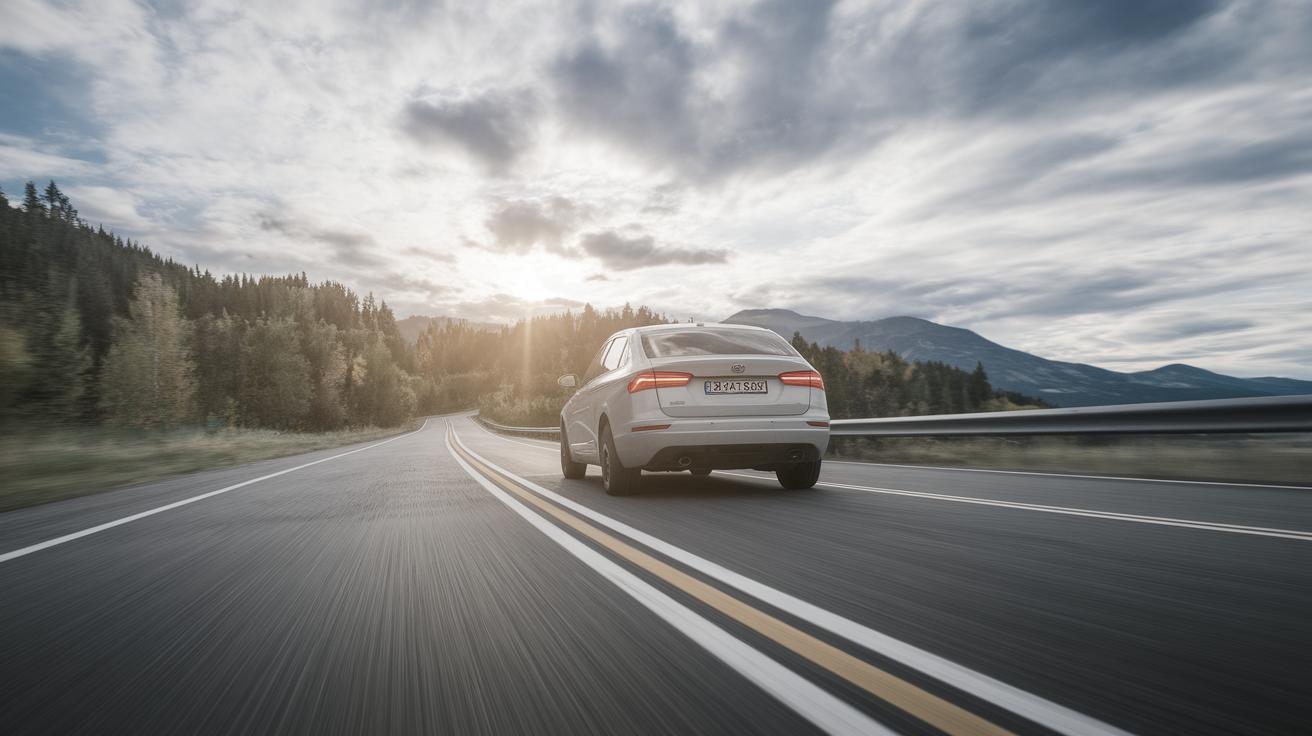
How to Drive Better
Improving your driving skills isn’t just about becoming a more confident driver; it’s also about enhancing your vehicle’s efficiency and increasing safety on the road. This blog post delves into practical driving techniques and tips to help you become a better driver. From maintaining a steady speed to anticipating traffic, each practice is designed to optimize your driving experience. You’ll also find in-depth insights on saving fuel and tips for a more eco-friendly driving lifestyle. By the end of this guide, you’ll be equipped with actionable strategies to refine your driving habits and set personal goals for continuous improvement.
You May Also Like
Driving efficiently not only helps in saving fuel but also contributes to reduced vehicle wear and tear. In this section, explore additional topics that aid in enhancing your driving skills. From understanding automotive technologies to mastering the art of navigation, every facet of driving has something to offer to enrich your journey.
Consider diving into related resources, like traffic regulation courses or advanced driving workshops. Such initiatives provide valuable knowledge and experience, revealing nuances of safe driving that are often overlooked. The more informed you are, the better decisions you’ll make on the road.
MotorTrend Recommended Stories
MotorTrend is renowned for its insights into the automotive world, offering stories that blend innovation with practical advice. Their recommended reads can expand your understanding of vehicle dynamics, providing rich content that taps into both the technical and user-oriented aspects of driving.
Whether you’re interested in cutting-edge car technologies, fuel efficiency studies, or real-world driving tests, their stories cater to a wide range of topics, serving as a comprehensive resource for any driving enthusiast.
1. Accelerate gently
Gentle acceleration is key to driving efficiently and sustainably. Sudden acceleration consumes more fuel as it requires more power, which subsequently leads to increased emissions. By accelerating gently, you promote smoother transitions and ensure that your car uses energy optimally.
In addition to fuel savings, gentle acceleration contributes to prolonging the life of your engine and transmission. It’s a small yet impactful change that encourages a more mindful driving approach while reducing maintenance costs in the long run.
2. Maintain a steady speed
Maintaining a steady speed is fundamental to efficient driving. Frequent accelerating and decelerating not only wastes fuel but also puts unnecessary stress on your vehicle’s engine. Using cruise control on highways, when safe to do so, can help maintain a consistent speed and conserve fuel.
Adhering to a stable speed encourages safer driving habits as well, allowing you to better respond to the flow of traffic. It’s important to be attentive and adjust your speed accordingly in varying road conditions to strike the right balance between efficiency and safety.
3. Anticipate traffic
Anticipating traffic by looking ahead and being aware of road conditions allows you to plan your maneuvers more effectively. Spotting potential slowdowns or stops in advance helps you avoid sudden braking and acceleration, which saves fuel and reduces wear on your brakes.
Developing this skill involves observing the movement of vehicles ahead and being mindful of traffic signals. By doing so, you position yourself to drive more smoothly and responsively, enhancing overall road safety for yourself and others.
4. Avoid high speeds
While high speeds can thrill, they are inefficient and unsafe increases in fuel consumption due to aerodynamic drag. Fuel efficiency significantly drops once you exceed 55-65 mph, making high-speed driving an expensive habit both in terms of fuel and potential fines.
By maintaining speeds within legal limits, you not only save on fuel costs but also increase your reaction time to unforeseen events, making your commute safer and more enjoyable. Repeated exposure to high speeds also accelerates vehicular aging, necessitating more frequent maintenance.
5. Coast to decelerate
Coasting to decelerate is a technique that involves taking your foot off the accelerator and allowing the car to gradually lose speed. This takes advantage of the vehicle’s kinetic energy, reducing fuel usage and brake wear.
This practice is particularly useful when approaching a stop sign or traffic light. It’s about anticipating your stops in advance, gently slowing down without abruptly using the brakes, thereby contributing to smoother driving and increased fuel efficiency.
More ways to use less fuel
Avoid idling your vehicle
Idling consumes fuel while yielding zero miles per gallon. Turn off your engine if you expect to be stopped for more than a minute, except in traffic where restarting might not be practical.
Measure your tire pressure every month
Properly inflated tires reduce the rolling resistance on the road, thereby enhancing fuel efficiency. Check your tire pressures monthly to ensure they are at the recommended levels listed in your vehicle’s manual.
Use a manual transmission properly
Manual transmissions, when used correctly, offer better fuel economy over automatics. Shift gears smoothly and timely, avoiding unnecessary revving at high RPMs to make the most efficient use of your car’s power.
Don’t carry unnecessary weight
Extra weight increases fuel consumption. Regularly clean out your car to remove non-essential items, reducing the load and improving mileage.
Remove roof or bicycle racks
Racks create aerodynamic drag, especially at high speeds. Keep them removed unless they are being actively used, thus minimizing air resistance and enhancing fuel economy.
Use air conditioning sparingly
Air conditioners require power from the engine, leading to higher fuel consumption. Use them judiciously, relying instead on ventilation when possible, or drive with the windows down at lower speeds.
Use a fuel consumption display
If your vehicle is equipped with a fuel consumption display, use it to monitor and adapt your driving habits for optimal fuel efficiency, ensuring you’re staying within economical limits.
Track your fuel consumption
Monitoring your fuel usage over time allows you to understand your car’s efficiency trends. Maintaining a log helps in identifying areas for improvement in your driving techniques.
Plan ahead
Mapping out your route before starting your journey can prevent unnecessary driving and ensure a smoother commute, eliminating the need for last-minute navigation and detours that consume extra fuel.
Combine trips
Plan multiple errands in one trip to avoid multiple short journeys from a cold start, which consumes more fuel compared to a single, multi-stop trip.
Drive less
Whenever possible, opt for alternative modes of transport such as cycling, walking, or using public transportation. Reducing your driving distance not only saves fuel but promotes a healthier lifestyle.
Challenge yourself
Your Personal Action Plan
Creating a personal action plan for driving can help internalize these tips. Begin by setting realistic goals for improving your driving habits. Reflect on your current practices and identify the areas you wish to amend.
Regularly evaluate your performance by keeping track of key metrics like fuel efficiency and driving comfort. With consistent effort, you can transform your driving experience and contribute to a smoother, safer, and more efficient commute.
Summary of Main Points
| Driving Technique | Description |
|---|---|
| Accelerate gently | Promotes smoother transitions and optimal energy use, reducing fuel consumption. |
| Maintain a steady speed | Prevents unnecessary fuel use and promotes safety with consistent speed maintenance. |
| Anticipate traffic | Helps in planning maneuvers more effectively to avoid abrupt driving changes. |
| Avoid high speeds | Saves fuel costs, increases reaction time, and reduces vehicle wear. |
| Coast to decelerate | Uses kinetic energy for slowing down, minimizing fuel use and brake wear. |
| Use less fuel | Various tips including reducing weight, managing tire pressure, and efficient route planning. |
| Challenge yourself | Set actionable goals to continuously improve your driving habits. |