
How to Choose Brake Pads
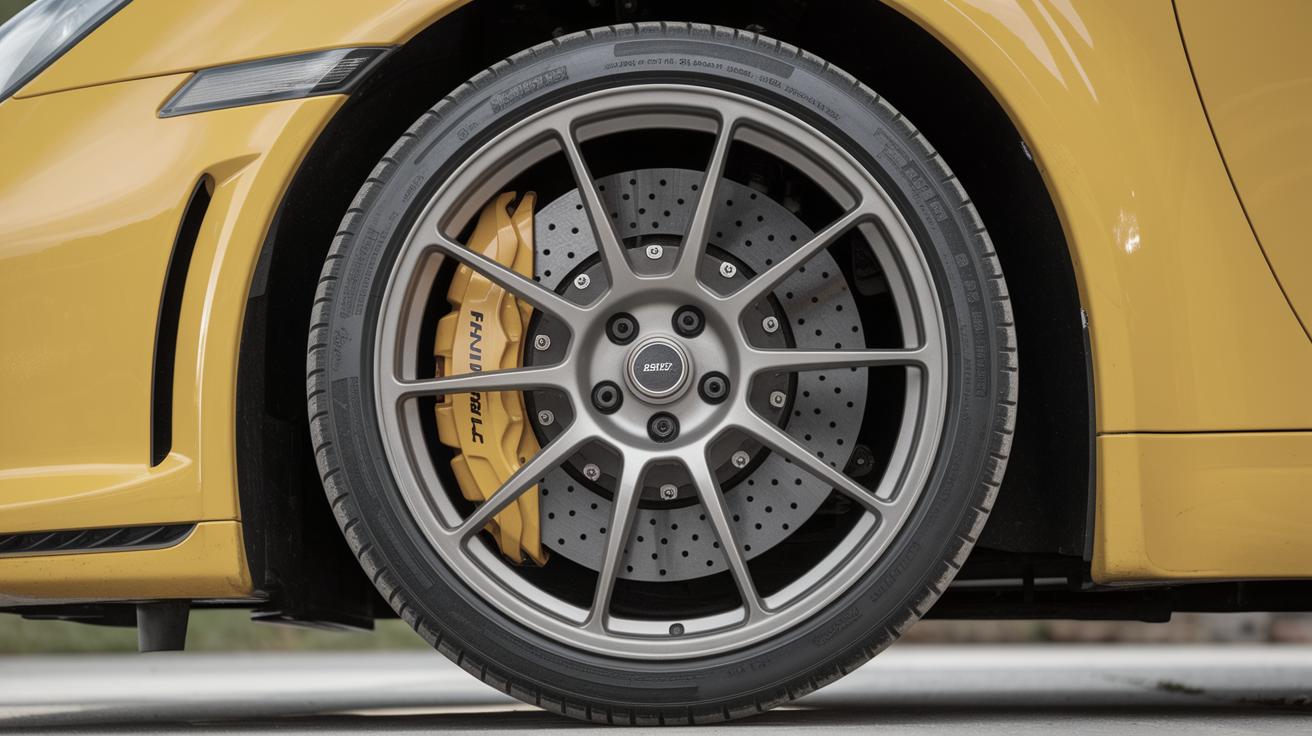
Brake pads are crucial components in any vehicle, serving as the primary contact point to stop or slow down your car. Choosing the right brake pads can significantly impact your vehicle’s performance and safety. This guide will explore how your driving style can influence your choice, compare different brake pad materials, and consider compatibility, noise levels, warranty, as well as other critical factors. By the end, you’ll be equipped with the knowledge to make an informed decision that aligns with your driving habits and ensures optimum vehicle safety.
You can choose Brake Pad based on your driving style and frequency of braking.
Conservative Driving
If your driving style is more conservative, meaning you tend to drive at a moderate speed and brake gently, you might not need high-performance brake pads. Instead, organic brake pads could be a suitable choice. They are often quieter and produce less dust, which makes them ideal for drivers who prioritize comfort over high-speed performance.
These drivers tend not to put as much strain on their brakes, resulting in less wear and longer lifespan for more basic brake pad materials. Organic pads provide adequate stopping power for daily commutes and occasional use.
Aggressive Driving
Aggressive drivers who often brake hard and fast might require brake pads that can withstand a higher level of heat and friction. In such cases, ceramic brake pads are often recommended as they maintain performance under intense conditions.
These pads are designed to handle greater stresses and provide consistent performance despite rapid deceleration or high-speed driving. They are ideal for those seeking a balance of durability, performance, and noise reduction.
City Driving
In urban environments where stop-and-go traffic is common, brake pads that provide good stopping power at low speeds are advantageous. Semi-metallic pads can be a great fit here, offering a balance between durability and performance.
These pads offer excellent heat dissipation, which is necessary for dealing with the frequent stops and starts of city driving. Drivers will appreciate their reliability in such conditions.
Highway Driving
For those who spend a lot of time on highways, brake pads that can handle higher speeds yet infrequent braking are necessary. Ceramic pads provide longevity and optimal performance for long-distance and highway driving due to their ability to manage heat and friction.
With their minimal noise and low dust production, ceramic brake pads enhance the driving experience during long highway journeys.
Mountainous/Towing Driving
When driving in mountainous areas or when towing heavy loads, brake pads that can withstand additional stress and heat are crucial. Semi-metallic or fully metallic pads are often the preferred choice due to their durability.
These pads provide excellent stopping power necessary for steep descents or controlling heavy loads, ensuring safety in demanding driving scenarios.
Consider the material of the brake pad – organic, ceramic, metallic, or semi-metallic
Comparison of Brake Pad Types
Brake pads come in various materials: organic, ceramic, metallic, and semi-metallic, each offering distinct advantages and disadvantages. Organic pads, composed mainly of non-metal materials, are quiet but wear quickly. Ceramic pads offer exceptional lifespan and quiet operation, albeit at a higher price.
Metallic pads are robust, offering great performance under stress but can be noisy. Meanwhile, semi-metallic pads strike a balance between metallic and organic, providing good performance and longevity while generating more brake dust.
Why you need to check if the brake pad is compatible with your car model
Car models and makes can significantly differ in terms of engineering and requirements, making it essential to ensure brake pad compatibility. Using incompatible pads might lead to ineffective braking or damage to your vehicle’s braking system.
Consult your vehicle’s manual or with an automotive professional to ensure the brake pads meet specified requirements, ensuring safety and maintaining vehicle integrity.
Consider the noise level of the brake pad
No driver enjoys hearing loud screeching or squealing from their brakes. Some materials tend to be noisier than others; metallic pads, for example, are often louder compared to ceramic or organic pads.
Take into account your noise tolerance when selecting brake pads, especially if you prize a quieter driving experience. Specify your preferences to specialists to find the most suitable quiet options.
Check the warranty of the brake pad
A robust warranty on brake pads can offer peace of mind and indicate the manufacturer’s confidence in their product. Checking warranty terms will afford you protections against defects or potential wear and tear.
Thoroughly inspect warranty details during the purchase process to make the most out of your investment and ensure minimal inconveniences in the future.
Don’t compromise safety and performance.
Safety and performance should never be compromised when choosing brake pads. Prioritize options that provide the necessary stopping power and durability relevant to your driving habits and environment.
Consider investing in quality products from reputable manufacturers, even if they come at a premium, to guarantee your and your passengers’ safety on the road.
Key Takeaways
- Understand how your driving style influences brake pad choices.
- Explore different materials: organic, ceramic, metallic, and semi-metallic.
- Ensure compatibility with your vehicle’s make and model.
- Consider noise levels based on your preferences.
- Check the warranty for added assurance.
Next Steps
| Factor | Description |
|---|---|
| Driving Style | Choose based on conservative, aggressive, city, highway, or mountainous/towing driving. |
| Material | Decide between organic, ceramic, metallic, or semi-metallic based on needs and budget. |
| Compatibility | Ensure pads fit with your specific car model for safety and performance. |
| Noise | Consider noise levels from different brake pad materials. |
| Warranty | Check warranty to protect against defects and unexpected wear. |