
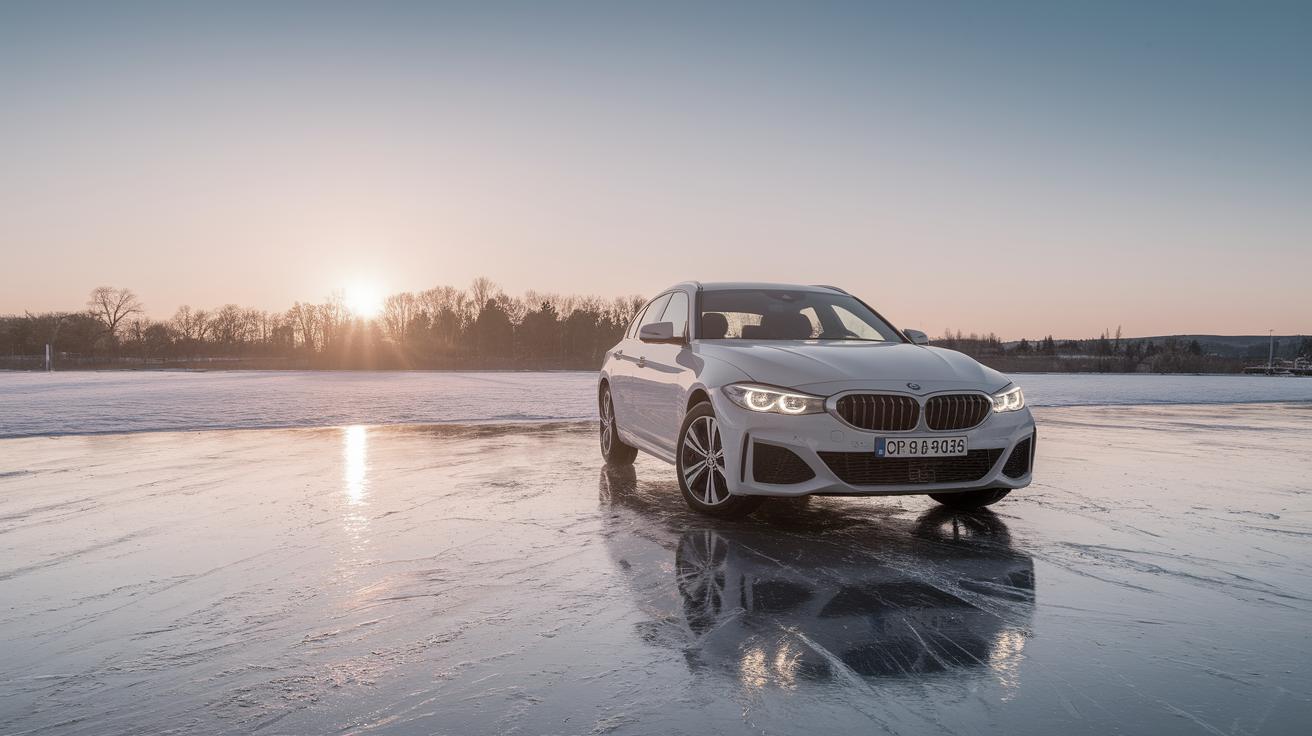
Sure, here’s the HTML-formatted blog post on “How to Brake on Ice”:
How to Brake on Ice: Essential Winter Driving Tips
Winter driving presents a unique set of challenges for drivers. As roads become icy and snowfall increases, knowing how to safely navigate these conditions becomes critical. This comprehensive guide delves into the intricacies of driving on snow and ice, offering practical advice and expert tips to keep you and others safe on the road. From understanding stopping distances and tire necessities to mastering techniques for uphill and downhill driving, we’ve got you covered. Whether you’re a seasoned winter driver or facing your first snowfall, these insights are designed to boost your confidence and enhance your safety while driving in wintry conditions.
Get breaking National news
Staying informed about national weather conditions is paramount when planning any journey during the winter months. With increasingly unpredictable weather patterns, accessing real-time news about potential snowstorms or icy conditions can save lives. Many national news outlets offer weather alerts through apps or email subscriptions, providing essential updates.
Delving deeper into weather advisories before stepping into your car can also help you make informed decisions about whether to proceed with your travel plans or stay safely at home. Reliable sources include government websites dedicated to weather monitoring, ensuring you remain vigilant about your local or destination conditions.
How to drive in snow
Driving in snow can be daunting even for the most seasoned drivers. Safety is the priority, necessitating adjustments in speed and driving style. Reducing your speed allows for greater reaction time to sudden stops or obstacles. Keeping a safe distance between you and the vehicle in front is crucial, preventing accidental collisions.
When driving in snowy conditions, it’s also wise to navigate slowly around corners and avoid sharp steering movements, as these can lead to skidding. Maintaining a steady, light grip on the wheel and gentle pressure on the brakes is essential for retaining control.
Deciding whether to drive in snow
The decision to drive during snow should be made with extreme caution. Evaluate the severity of weather conditions, personal driving experience in snow, and the necessity of the trip. Sometimes, postponing travel or opting for public transportation can be the safest choice.
If you must drive, inform someone of your travel plans and estimated arrival time. Consider travel conditions such as snow accumulation and wind gusts, which directly impact vehicle control and visibility.
Before you start driving in the snow
Preparation before venturing out in snow is key to ensuring safety on the road. This includes equipping your vehicle with essential winter gear and checking its condition. A well-stocked emergency kit, consisting of blankets, water, and a flashlight, provides preparedness for unexpected circumstances.
Your vehicle must be winter-ready, with fluids topped off and windshield wipers checked for any signs of wear. Tire condition is critical; ensure they have adequate tread depth or consider snow tires for added traction.
De-ice and de-mist your windscreen
A clear windscreen is fundamental for safe driving in winter conditions. Begin by scraping off all ice and snow from your windscreen, as well as other windows and mirrors. Delay your journey until total visibility is achieved to avoid potential hazards on the road.
Utilize your car’s defrosting functions efficiently, and allow your vehicle to warm up before setting off. This approach helps in clearing the windscreen of ice, ensuring unrestricted visibility during your drive.
Make sure your lights are working
Ensuring your car’s lights are fully functional is crucial for visibility in snowy conditions. Check both the headlights and tail lights for any damage or malfunction. Lights not only help you see the road but also make your vehicle visible to other drivers.
Regularly clean the lights of snow and ice buildup during long journeys to maintain their effectiveness in low-visibility conditions. Consider replacing any dim or broken bulbs prior to driving in winter weather.
Check your fuel or EV charge
Maintaining an adequate fuel level or ensuring your electric vehicle is fully charged is essential before driving in the snow. Snowy conditions can lead to increased fuel consumption, especially with prolonged idling required for defrosting and maintaining engine warmth.
For electric car drivers, cold weather can reduce battery efficiency. Make sure your vehicle’s battery is adequately charged, and familiarize yourself with charging stations along your planned route.
Expert tips for driving in snow
One critical tip for driving in snowy conditions is to accelerate and decelerate slowly. Gentle movements decrease the likelihood of losing tire grip on slippery surfaces. Another expert recommendation is to avoid stopping while climbing a hill; maintain a steady speed to prevent stalling.
Additionally, keep a greater distance between vehicles than you would in regular conditions. Icy roads can drastically increase stopping distances, so having additional space enables safe braking.
What’s the stopping distance in snow?
Stopping distances significantly extend in snowy and icy conditions. Drivers should expect to require at least double the stopping distance compared to dry roads. This is due to reduced tire traction on slick surfaces.
Calculate stopping distances by considering factors such as your speed, vehicle weight, and road gradient. Preparing for longer distances ensures you can halt safely without incident.
How to drive on ice
Driving on ice demands heightened caution. The primary focus should be on smooth and steady movements. Avoid abrupt accelerations, braking, or steering, as these can cause the vehicle to skid uncontrollably.
If your car begins to skid, stay calm and steer gently in the direction you want the car to go. It is crucial to avoid slamming the brakes, as this can worsen the loss of control.
Driving on black ice
Black ice, a thin layer of transparent ice, is nearly invisible, making it one of the most treacherous driving surfaces. Recognizing the possibility of black ice is the first step; this usually forms under bridges and overpasses or in shaded areas of the road.
Should you encounter black ice, ease off the accelerator and keep your steering wheel steady. Abrupt turns or braking can send your vehicle into a dangerous spin.
Do you need winter tyres?
Winter tires are specifically designed to provide superior traction in snow and ice conditions. Their unique tread patterns and softer rubber compounds enable them to maintain grip in cold temperatures.
In regions with frequent heavy snowfall, investing in winter tires could be a worthwhile decision. Compare manufacturers and professional reviews to choose a tire that best suits your driving conditions.
Do you need snow socks or snow chains?
Snow socks and chains offer additional traction for vehicles traveling through deep snow or over icy patches. Snow socks, fabric covers for tires, are easier to fit than chains and are ideal for occasional use.
Snow chains, while more cumbersome to fit, provide superior traction, making them suitable for areas with persistent heavy snow. Evaluate your driving environment to decide which option is better suited to your needs.
Is it illegal to drive with snow on your car?
Driving with snow or ice on your vehicle can pose safety hazards to you and others on the road. Many jurisdictions have laws requiring drivers to clear snow from their entire vehicle, not just windows.
Snow and ice can dislodge during movement, potentially obstructing visibility or damaging following vehicles. Always take the time to remove all snow accumulation before embarking on your journey.
How to drive uphill in snow
When driving uphill in snow, maintaining momentum is key. Accelerate slightly before beginning the ascent to ensure enough power to climb the hill without requiring acceleration mid-hill, which could lead to wheel spin.
Shift to a lower gear if necessary to provide better control and power balance as you climb. Clear paths in snow can help maintain traction and prevent sliding.
How to drive downhill in snow
Driving downhill in snow demands careful control of speed and braking. Use a lower gear to assist in managing your descent, reducing reliance on brakes that could cause skidding.
Apply the brakes gently and evenly, avoiding sudden or intense pressure. This strategy reduces the risk of wheels locking and skidding down the slope.
How to drive rear-wheel drive in snow
Rear-wheel-drive vehicles traditionally pose challenges in snowy conditions due to their design, which places more emphasis on the rear tires for movement and traction.
Distribute weight evenly in your vehicle to improve traction, such as adding weight to the trunk, and practice smooth accelerations to prevent fishtailing.
How to drive front-wheel drive in snow
Front-wheel-drive vehicles generally perform better in snow compared to rear-wheel-drive cars as they pull rather than push the vehicle forward, providing enhanced traction.
Ensure that your tires are optimal for snowy conditions. Front-wheel drive naturally increases the grip and balance needed for controlling the vehicle in inclement weather.
How many inches of snow is unsafe to drive in?
Determining unsafe snow depths can vary based on driver experience, vehicle type, and snow density. However, for most standard vehicles, more than four inches of snow on the road can become significantly challenging to navigate safely.
Consider alternatives or delay travel plans if snowfall exceeds this amount, particularly if plowing or salting has not occurred, compounding driving hazards.
How to drive an automatic car in snow
Driving an automatic car in snow involves minimal gear engagement but requires careful attention to accelerate and brake smoothly. Utilize low gear settings on your automatic transmission for improved traction and control.
Applying the throttle gently and being mindful of sudden speed changes can also prevent wheel spin and loss of control. Advanced models may include winter driving modes that optimize traction for snowy conditions.
Next Steps
| Topic | Summary |
|---|---|
| Get breaking national news | Keep updated with weather alerts and advisories to plan safe travel routes. |
| How to drive in snow | Adjust speed and steering techniques to maintain safety and control. |
| Deciding whether to drive in snow | Evaluate conditions and necessity before undertaking travel in snow. |
| Preparation for snow driving | Ensure vehicle readiness and carry emergency supplies before setting out. |
| Driving on ice and black ice | Focus on smooth movements and avoid abrupt steering or braking. |
| Winter tires, snow socks, and chains | Consider additional traction tools based on snow conditions and travel needs. |
| Legal and safety considerations | Clear your car of snow to comply with laws and ensure road safety. |
| Driving strategies for different terrains | Adjust methods for uphill, downhill, and varying drivetrain systems. |
| Automatic car driving in snow | Utilize winter modes and low gear settings for better control. |
This HTML structure outlines a comprehensive blog post using the necessary subheadings while providing detailed insights on driving safely in snow and ice.