
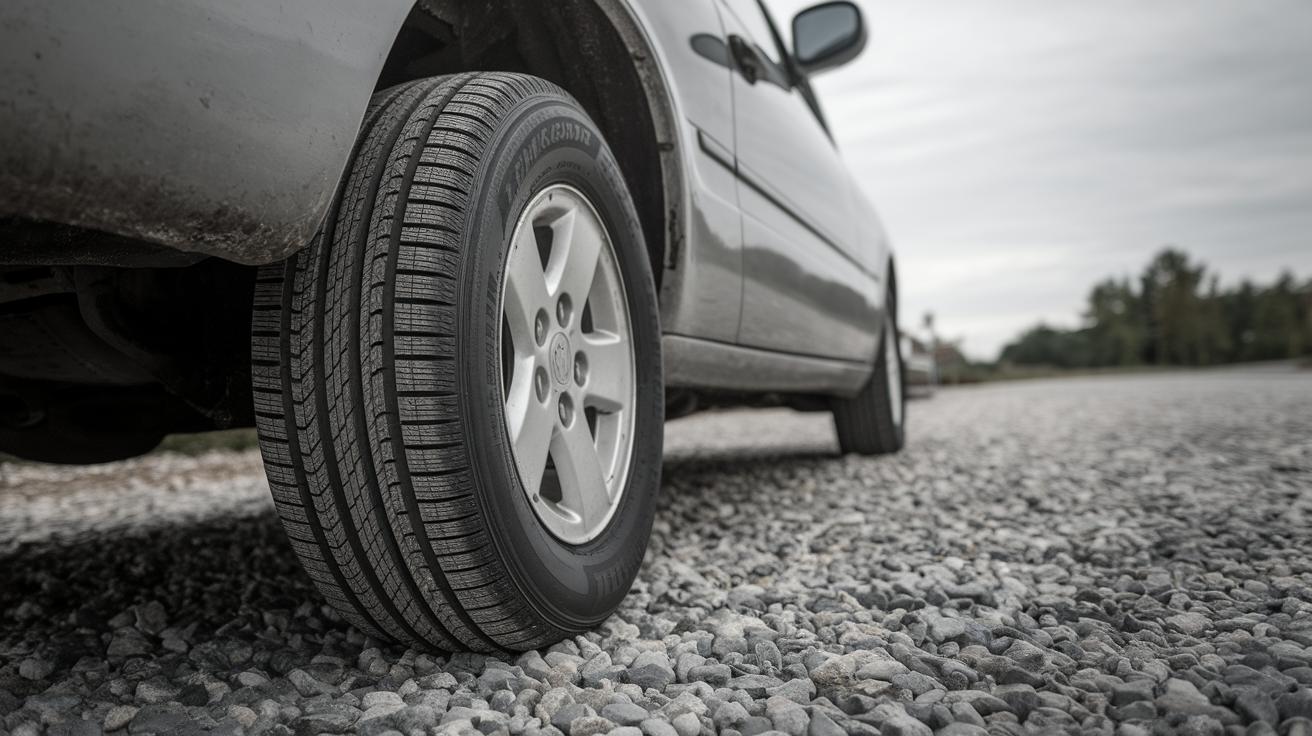
Understanding Tire Tread Safety: A Comprehensive Guide
Tire tread safety is an often overlooked aspect of vehicle maintenance, yet it plays a crucial role in ensuring safety on the road. This blog post delves into the various factors that affect tire performance, focusing on tread depth and tire maintenance. We explore critical safety information, provide insights on inspecting and maintaining tires, and offer guidance on when to replace them. Additionally, we examine the environmental impact of tires, provide a tire safety checklist, and discuss regulations set by Transport Canada. Whether you’re a seasoned driver or a new vehicle owner, understanding these elements will empower you to make informed decisions to keep both your vehicle and the environment safe.
Critical safety and environmental information for you and your tires
Tires are integral to vehicle safety, providing traction, stability, and control. The depth and condition of your tire tread can significantly influence your ability to drive safely, particularly on wet or icy roads. A minimum tread depth is essential to prevent hydroplaning and to ensure effective braking and maneuvering. It’s vital to regularly inspect your tires and be aware of any signs of wear or damage.
Furthermore, poorly maintained tires can also have adverse environmental effects. Worn tires decrease fuel efficiency, which in turn increases your carbon footprint. Proper tire care is an investment in both your safety and the planet, ensuring that your vehicle operates efficiently and within environmental standards.
Inspecting tires for damage and wear
When was the last time you checked your tires?
Regular tire inspections are crucial for road safety. Many drivers overlook tire maintenance until it’s too late, resulting in unexpected failures or hazards. It’s recommended to inspect your tires at least once a month for signs of damage or wear. Look for cuts, cracks, bulges, or foreign objects that can compromise your tire’s integrity.
Use the penny test to check your tread depth. Insert a penny into the tread grooves with Lincoln’s head upside down. If you can see the top of Lincoln’s head, it’s time to replace your tires. Consistent checks will ensure that your tires remain in good condition and catch issues before they escalate.
Inflating your tires
Proper tire inflation is crucial for maintaining optimal performance and longevity. Underinflation or overinflation can lead to uneven wear, affecting traction and fuel efficiency. Always follow the manufacturer’s recommended tire pressure, usually found in the vehicle’s manual or on a sticker inside the driver’s door.
Regularly check tire pressure when the tires are cold, using a reliable pressure gauge. Maintaining the correct pressure ensures your driving experience is both safe and efficient. Remember that temperature changes can affect tire pressure, so more frequent checks may be necessary during seasonal transitions.
Wheel alignment and balancing
Wheel alignment and balancing are essential for even tire wear and smooth vehicle operation. Misalignment can cause the tires to wear unevenly, lead to steering issues, and decrease fuel efficiency. If you notice your vehicle pulling to one side or the steering wheel vibrating, it may be time to check alignment and balance.
Professional alignment and balancing ensure your tires hit the road with the correct angles and weight distribution. Regular checks during tire rotations or when new tires are installed can prevent long-term issues, contributing to better vehicle performance and safety.
Rotating your tires
Rotating your tires regularly is a fundamental maintenance task that prolongs their life. Different vehicles exert varying forces on their wheels, which can lead to uneven tread wear. Switching the position of the tires helps distribute wear evenly, enhancing performance and safety.
It’s generally recommended to rotate your tires every 5,000 to 8,000 miles. Consult your vehicle’s owner manual for specific recommendations. By including tire rotation in your maintenance routine, you’ll ensure your tires wear evenly and last longer, ultimately saving you money in the long run.
Replacing tires
There comes a time when even the best-maintained tires need replacing. Knowing when to replace tires is critical for maintaining safety. Besides tread depth, look for signs of aging or damage, such as cracks or blisters. If your tires are older than six years, consider replacement as rubber degrades over time.
Always replace tires with ones that match your vehicle’s specifications. Properly fitted tires optimize your vehicle’s performance and ensure safety on the road. Remember, it’s best to replace all four tires simultaneously for balanced driving, or at the very least, pairs across an axle.
Winter tires
Winter tires are essential for safe driving in snowy or icy conditions. These tires are designed with special rubber compounds and tread patterns that remain flexible in low temperatures, providing better traction and shorter stopping distances.
Consider investing in a set of winter tires if you live in an area where temperatures regularly drop below freezing. Always install winter tires in sets of four to maintain balance and control. While they require an initial investment, they extend your summer tires’ lifespan by taking the harsh winter wear.
How to read a tire sidewall
The tire sidewall contains vital information about your tires. Understanding these symbols and numbers can help you select the right tires and maintain them properly. Important details include tire size, aspect ratio, speed, and load rating.
Familiarize yourself with these markings to ensure compliance with your vehicle’s requirements. For instance, P215/65R15 95H represents a tire’s width, aspect ratio, diameter, load index, and speed rating, crucial for choosing compatible tires.
Recommended tire pressure
The recommended tire pressure for your vehicle is specified by the manufacturer to ensure optimal performance, safety, and efficiency. It accounts for your vehicle’s weight, handling, and intended use, different from the maximum pressure embossed on the tire.
Regularly check the pressure to align with these recommendations, and remember that the right pressure boosts fuel efficiency, extends tire lifespan, and enhances safety.
Tire pressure monitoring systems (TPMS)
TPMS are invaluable for maintaining proper tire pressure, alerting drivers of underinflation. This system adds convenience and safety by providing real-time insights without needing frequent manual checks.
If the TPMS light activates, check your tires promptly. It’s a useful innovation that helps prevent accidents and prolongs tire life, making it an essential feature in modern vehicles.
Seasonal tire storage
Proper tire storage is crucial for preserving their condition during off-use seasons. Store tires in a cool, dry place, away from direct sunlight or ozone sources like exhausts or motors.
Use tire storage bags or covers to protect them from dust and debris. Elevated storage prevents shape distortion, ensuring your tires remain in optimal condition when reinstalled.
Inflating your tires with nitrogen
Nitrogen inflation can offer benefits such as maintaining tire pressure longer and enhancing tread life. Nitrogen molecules are larger than oxygen, reducing the rate at which air escapes from tires.
Though generally more expensive, nitrogen inflation might be a consideration for those seeking to avoid frequent pressure checks or looking to extend tire life.
The impact of tires on the environment and our health
Tires impact the environment throughout their lifecycle, from manufacturing to disposal. Emissions during production and the potential for microplastics from wear are significant concerns.
Sustainable practices like recycling and choosing eco-friendly tire options can mitigate these effects. Awareness and action in tire selection and disposal help protect our planet and health.
Tire safety checklist
A comprehensive tire safety checklist includes regular pressure checks, tread inspections, sidewall condition assessments, and ensuring correct alignment and balance. Incorporate seasonal tire changes, rotation schedules, and consider TPMS functionality.
Use this checklist to maintain tires effectively and ensure adherence to safety standards, optimizing both vehicle performance and safety.
Tire safety and Transport Canada
Transport Canada sets forth regulations and guidelines to ensure tire safety on Canadian roads. These standards cover manufacturing criteria, importation, recall processes, and more.
Familiarize yourself with these regulations to ensure compliance and understand your rights and responsibilities as a vehicle owner in Canada.
How to reach Transport Canada
For inquiries or to report safety issues, reach out to Transport Canada through their official website or via the dedicated contact numbers. Their resources are invaluable for staying informed about road safety standards and recalls.
Engage with Transport Canada’s resources to ensure your knowledge is up-to-date, helping you make informed decisions that enhance safety for you and your vehicle.
Future Prospects
| Topic | Summary |
|---|---|
| Critical Safety and Environmental Information | Examines the importance of tire tread for safety and its environmental impact. |
| Inspecting Tires | Discusses the importance of regular inspections and proper inflation. |
| Rotating Your Tires | Highlights the benefits of regular tire rotation for even wear. |
| Replacing Tires | Guides on when and how tires should be replaced for safety and performance. |
| Winter Tires | Details the necessity of winter tires for cold weather driving. |
| Reading a Tire Sidewall | Explains the importance of understanding tire specifications and ratings. |
| The Impact of Tires on Environment | Explores the environmental footprint of tires and how to mitigate it. |
| Tire Safety Checklist | Provides a checklist for maintaining tires, ensuring longevity and safety. |
| Tire Safety and Transport Canada | Outlines the regulations by Transport Canada for tire safety compliance. |