
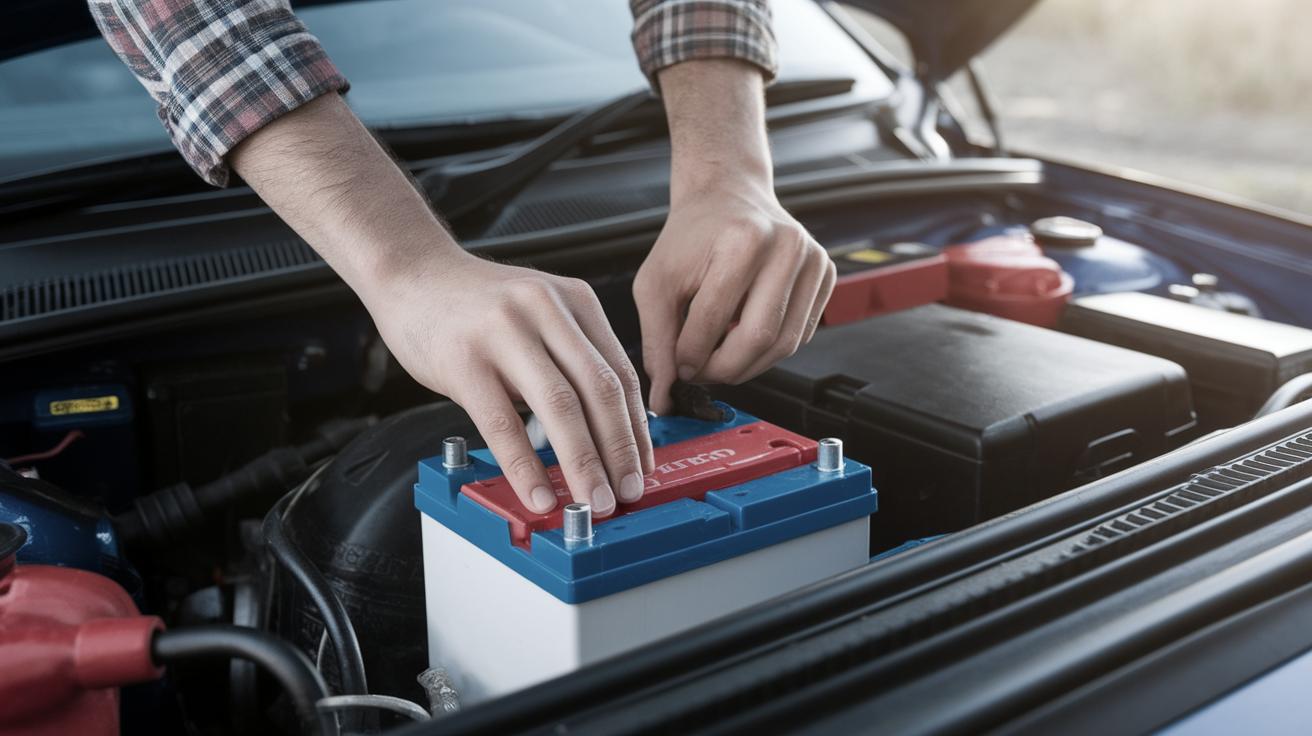
How to Replace a Car Battery
Replacing a car battery is an essential skill for any vehicle owner. Whether your battery is dead, old, or simply unreliable, knowing how to swap it out can save both time and money. This guide will walk you through the step-by-step process of replacing your car battery, highlighting crucial tools and accessories you might need along the way. We will explore locating the battery, removing the old one, and even touch on the nuances of electric vehicle batteries. By the end of this guide, you should be equipped with all the know-how to confidently replace a battery in your vehicle.
Locating the Battery
Multimeter
Before starting the battery replacement process, it’s essential to locate the existing battery in your vehicle, which is often performed using a multimeter. A multimeter is a valuable tool that helps measure the voltage of your car’s battery, providing crucial information on the battery’s health. This tool can confirm whether the battery replacement is indeed necessary by checking if the current battery holds charge properly. A reading below 12.4 volts indicates that your battery may be on its last legs.
When using a multimeter, ensure your car is off and the keys are removed from the ignition. Set your multimeter to the DC voltage setting, typically marked with a “V” and two lines. Place the negative (black) probe on the negative terminal and the positive (red) probe on the positive terminal. Record the reading and compare it to optimal voltage levels, aiding you in deciding if a replacement is needed.
Autel Memory Saver
Once you’ve confirmed the battery needs replacing, the next step is to ensure the memory settings within your car are preserved during the swap. The Autel Memory Saver is an excellent tool for this task. It prevents losing critical electronics settings saved in your car, such as radio presets, clock settings, and seat memory, vital features for modern vehicles.
To use an Autel Memory Saver, connect it to your car’s OBD-II port before removing the old battery. It supplies just enough power to keep your vehicle’s computer alive without adversely affecting any other electrical systems. This ensures a seamless transition between the old and new battery, saving you the hassle of resetting everything post-replacement.
NAPA Powerstart Battery
As you prepare to replace your vehicle’s battery, selecting the right replacement is crucial. The NAPA Powerstart Battery is an excellent option for many car owners. Known for its reliability and durability, it provides sufficient cranking power in cold conditions, essential for consistent vehicle performance. When choosing a battery, ensure it matches your car’s specific requirements in terms of size, type, and power rating.
What makes the NAPA Powerstart Battery advantageous is its nationwide availability and warranty support, which means service and support are easily accessible anywhere your travels might take you. This peace of mind further enhances its appeal, especially for those who frequently rely on their vehicle in various conditions.
NAPA The Legend Battery
If you’re seeking an alternative to the Powerstart, consider the NAPA The Legend Battery. This battery line is synonymous with premium quality, designed for long-lasting performance across different driving environments. It provides exceptional power output and longevity, making it a top choice for those requiring reliability in any driving condition.
The Legend series batteries offer extended warranties, which is an attractive feature for users seeking assurance and durability from their purchase. These batteries typically feature enhanced design features such as increased reserve capacities and superior corrosion resistance, characteristics that contribute to their esteemed reputation in the battery market.
Ratcheting Wrench Set
When it comes to the actual removal of the old battery, having the right tools can make the process significantly smoother – start with a ratcheting wrench set. These tools provide you with greater leverage and ease of use, especially when dealing with tight battery terminals or difficult battery tray bolts. A ratcheting wrench allows for small, incremental movements, which is especially helpful in confined spaces under your car’s hood.
Selecting the correct size is essential to avoid stripping bolts or damaging the terminals. Usually, a 10mm wrench fits most battery terminals, but it’s good to confirm your car’s specifications. Investing in a quality set can save time and effort in this and other general maintenance tasks.
Locking Pliers
Locking pliers are another indispensable tool when removing a car battery. They offer a strong grip on bolts and terminals that may be corroded or particularly challenging to dislodge. With adjustable jaws, locking pliers can adapt to the various sizes of nuts and bolts you might encounter during the replacement process, gripping them tightly to provide increased torque.
By securing the pliers to a terminal bolt and allowing them to lock in place, you can effortlessly complete tasks that might otherwise require significant force. This not only makes the job easier but also minimizes the risk of damaging battery components, making them an excellent addition to your toolkit.
Removing the Old Battery
GUNK – Battery Terminal Cleaner & Protector
Before removing the battery, addressing any corrosion present at the terminal connections is advisable. GUNK Battery Terminal Cleaner & Protector is an invaluable product in this regard. It not only helps dissolve built-up corrosion deposits but also provides a protective coating to prevent future issues.
Corrosion at the terminals can impede proper electrical conduction, impacting your car’s performance. Spraying this product on the terminals ensures a clear and effective connection when installing the new battery, preserving vehicle operation. Regular use after installation can prolong battery life and enhance overall reliability.
Dielectric Grease
Once the terminals have been cleaned with a battery terminal cleaner, applying dielectric grease is a proactive step to prevent future corrosion. Dielectric grease acts as a protective barrier against moisture and oxygen, which are primary contributors to terminal oxidation.
Apply a small amount of grease onto the battery terminals and connectors before re-attaching them. This ensures a good electrical connection is maintained while simultaneously shielding against further deterioration. By incorporating this into the battery replacement process, you proactively enhance the longevity and reliability of the battery system.
Electric Vehicle Batteries
While electric vehicle (EV) batteries are not typically user-replaceable like traditional car batteries, understanding their complexity is vital for EV owners. Electric vehicle batteries often require specialized tools and expertise due to their high-voltage systems. EV batteries are substantial investments, dictating the vehicle’s performance and range. As such, professional handling is recommended for any issues or replacements.
Unlike conventional batteries, EV batteries involve complex engineering with thousands of cells working in concert to power the vehicle. Manufacturers generally provide warranty coverage and support for these components due to their integral role in vehicle operation. While DIY maintenance isn’t an option here, knowing when to seek professional intervention is critical for EV ownership success.
If faced with EV battery issues, consulting with a specialized technician or service center ensures that your vehicle’s needs are appropriately addressed while maintaining performance and safety standards. The evolving technological landscape in EV batteries highlights ongoing advancements and the need for professional support in vehicle care.
Lessons Learned
| Aspect | Tools and Products | Key Learnings |
|---|---|---|
| Locating the Battery | Multimeter, Autel Memory Saver, NAPA Powerstart Battery, NAPA The Legend Battery | Using tools like a multimeter and memory saver ensures proper battery condition assessment and memory preservation during replacement. |
| Removing the Old Battery | GUNK – Battery Terminal Cleaner & Protector, Dielectric Grease, Ratcheting Wrench Set, Locking Pliers | Cleaning terminals and applying dielectric grease prevents future corrosion and ensures secure installation of the new battery. |
| Electric Vehicle Batteries | Professional tools and expertise | EV battery maintenance requires professional handling due to technology complexity and high-voltage systems. |
This HTML document provides a comprehensive guide on how to replace a car battery, incorporating essential steps, tools, and products, tailored for different vehicle types, including electric vehicles.